If you live with a dog, chances are you’ve been licked at least once today. Hands, faces, couches, floors… sometimes it feels like nothing is off limits. While licking is completely normal dog behaviour, excessive or obsessive licking can be a sign that something else is going on.
The good news? Once you understand why dogs lick, it becomes much easier to redirect the behaviour into safer, calmer, and more enriching alternatives.
Let’s break it down 🐶
1. Affection and bonding
Licking is one of the ways dogs show love. Puppies lick their mum for comfort, and adult dogs often carry this behaviour into their relationship with humans. If your dog licks you when you come home, it’s often their way of saying “I’m happy you’re here.”
2. Taste and curiosity
Human skin is salty (especially after exercise), and dogs explore the world through their mouths. Sometimes licking is simply curiosity mixed with a nice flavour.
3. Stress or anxiety
Licking releases endorphins, which helps dogs self-soothe. Dogs may lick more when they’re bored, anxious, overtired, or experiencing changes in their environment.
4. Habit or boredom
When dogs don’t have enough mental or physical stimulation, licking can become a repetitive habit — especially surfaces like floors, couches, or their own paws.
5. Medical or discomfort reasons
Persistent licking of paws, joints, or certain body parts can indicate allergies, pain, nausea, or digestive discomfort. Sudden or excessive licking is always worth keeping an eye on.
When Is Licking a Problem?
Occasional licking is totally normal. It may be worth addressing if your dog:
Licks obsessively or for long periods
Fixates on one spot (paws, legs, floor)
Seems restless, anxious, or unable to settle
Develops sore or irritated skin
If you’re ever unsure, a vet check is always the safest first step.
How to Redirect Licking (Without Punishment)
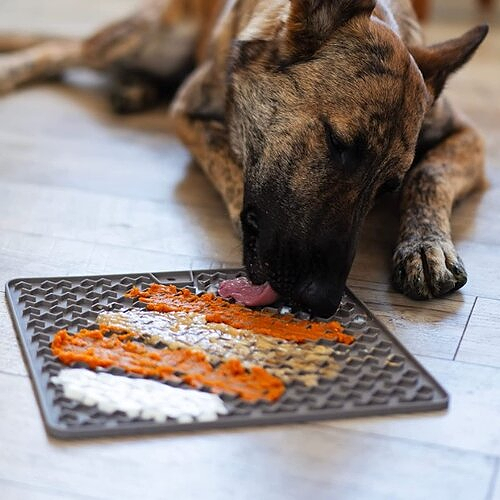
1. Offer licking mats and enrichment feeders
Licking mats are brilliant for dogs who lick out of stress or habit. They provide the same calming effect, but in a controlled, purposeful way. Try spreading:
Natural yoghurt (dog-safe)
Bone broth
Mashed pumpkin or seafood toppers
These are perfect for evenings, crate time, or when your dog needs help settling.
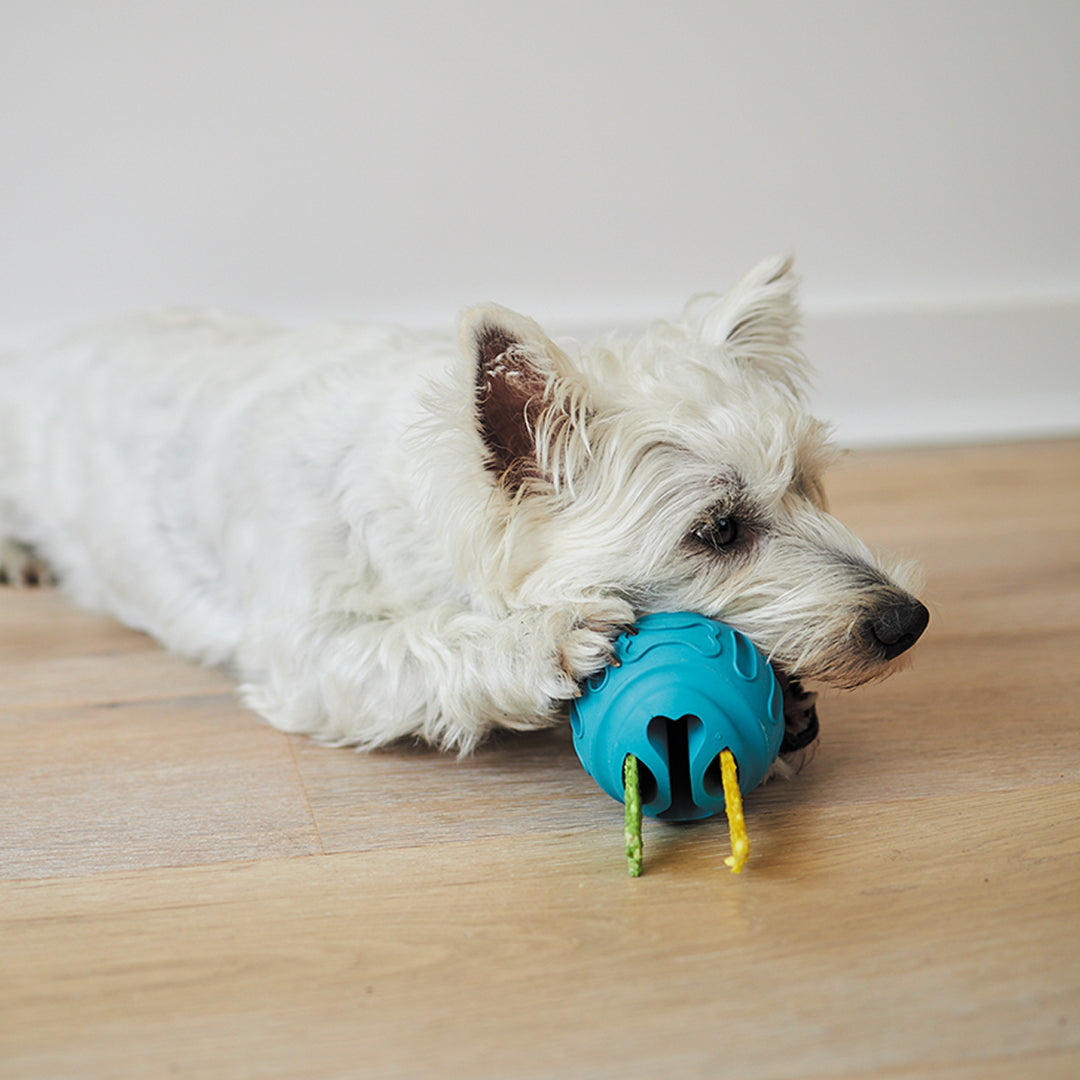
2. Use long-lasting chews
Chewing and licking often go hand-in-hand. Natural chews help satisfy oral needs while supporting dental health and joint care. Collagen chews, fish skins, and air-dried treats are especially great for dogs who lick when bored.
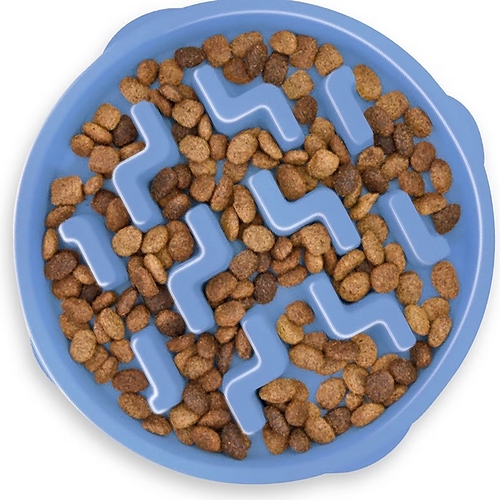
3. Slow feeders for meals
If your dog licks floors after eating, it can be a sign they’re still seeking stimulation. Slow feeders and enrichment bowls turn meals into a mentally engaging activity, reducing post-meal restlessness.
4. Increase mental enrichment
Short training sessions, scent games, puzzle toys, and food scavenger hunts all help reduce boredom-based behaviours like excessive licking.
5. Support calm routines
Dogs thrive on predictability. Regular walk times, enrichment moments, and rest periods can significantly reduce anxiety-driven licking.
Should You Ever Let Your Dog Lick You?
In moderation, yes — it’s normal and often affectionate. But it’s also okay to set gentle boundaries. If licking becomes excessive:
Calmly redirect to a mat or chew
Avoid pushing or scolding (this can increase anxiety)
Reward calm, settled behaviour instead
Final Thoughts
Licking is one of the many ways dogs communicate, self-soothe, and explore their world. When it becomes excessive, it’s usually a sign your dog needs more enrichment, comfort, or stimulation — not punishment.
By offering the right outlets, you can turn a frustrating habit into a positive, calming routine that supports your dog’s wellbeing