
Why do Dogs Dig Holes – and How to Stop It Without Taking Away Their Joy
If your backyard looks more like a construction site than a lawn, you’re probably asking yourself:
“Why does my dog dig so much — and how do I stop it?”
Digging is one of the most natural dog behaviours there is. But when it’s destroying gardens, fences, or sanity, it’s time to redirect the behaviour — not punish it.
Here’s what your dog is really trying to tell you, and how to manage digging in a way that keeps everyone happy.
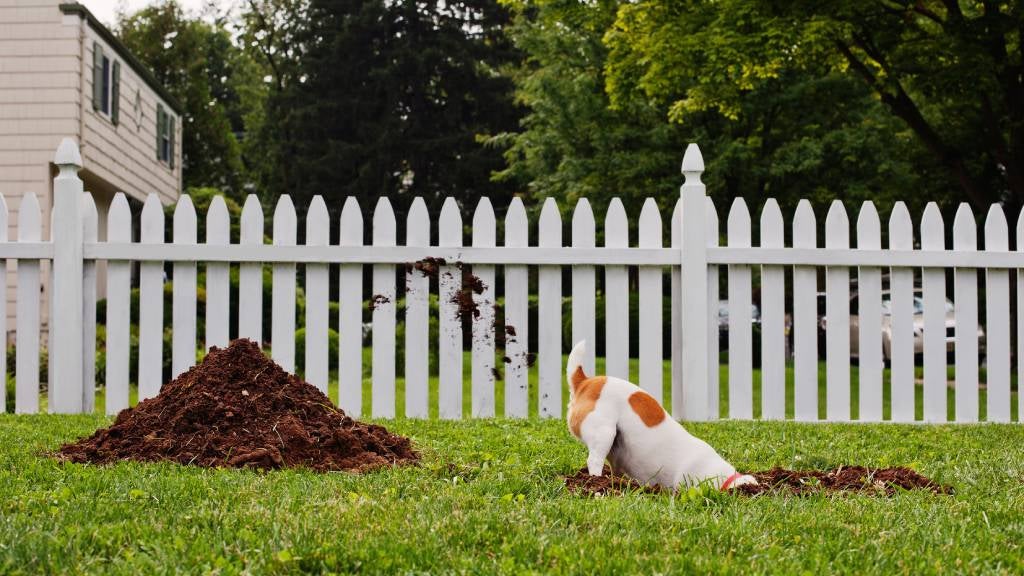

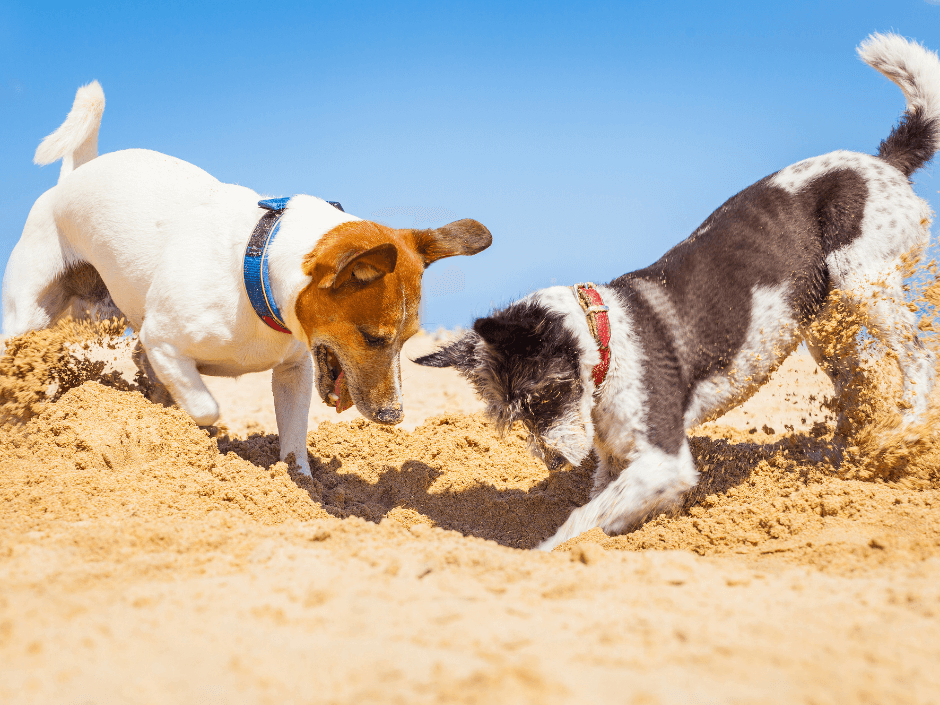
Why Do Dogs Dig?
Dogs don’t dig to be naughty. They dig because it meets a need.
1. Instinct & Breed Traits
Some breeds are born to dig. Terriers, Dachshunds and working dogs were historically bred to dig, hunt, or burrow.
For these dogs, digging is:
- Deeply satisfying
- Self-rewarding
- Hard-wired behaviour
Trying to eliminate it completely often backfires.
2. Boredom & Excess Energy
Digging is often a sign your dog has too much unused energy.
This is common in:
- Young dogs
- High-energy breeds
- Dogs left alone for long periods
If your dog isn’t mentally tired, they’ll find a job — and landscaping might become it.
3. Cooling Down
Dogs dig to reach cooler soil in warm weather.
If digging increases in summer, your dog may simply be trying to regulate their body temperature.
4. Anxiety or Stress
Digging near fences, gates or exits can signal:
- Separation anxiety
- Frustration
- Environmental stress
These dogs often dig with urgency rather than playfulness.
5. Hunting & Scent Stimulation
Dogs may dig where:
- Insects live
- Rodents have passed
- Smells linger
To them, it’s a puzzle worth solving.
When Digging Becomes a Problem
Digging needs intervention when:
- It damages fences or foundations
- Your dog risks injury
- It escalates rather than reduces
The solution isn’t “stop digging” — it’s give them a better outlet.
How to Stop Destructive Digging (Without Stress)
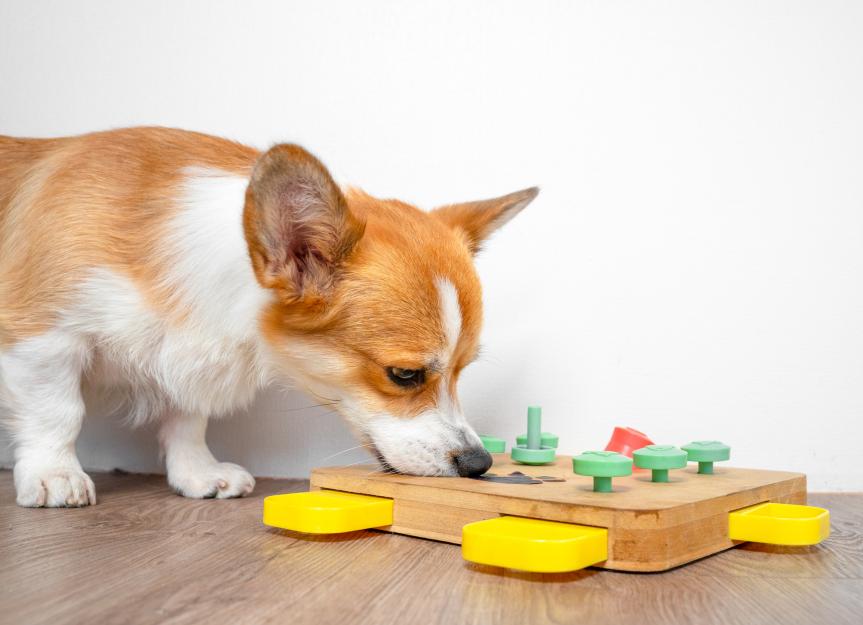
1. Increase Mental Enrichment
Mental stimulation reduces destructive behaviours faster than extra walks.
Try:
A mentally tired dog is far less likely to dig holes out of boredom.
2. Create a “Yes Dig” Zone
Instead of banning digging, redirect it.
Ideas:
- A sandpit or digging box
- Bury toys or treats
- Praise digging only in this area
Dogs learn boundaries faster when they’re given an approved option.

3. Add Long-Lasting Chews
Chewing and digging satisfy similar instincts.
Offering durable chews can:
- Reduce frustration
- Calm anxious dogs
- Occupy working mouths
Rotate chews to keep novelty high.

4. Cool Your Dog Down
If heat is the trigger:
- Provide shade
- Add cooling mats
- Ensure fresh water access
A cooler dog is a calmer dog.
5. Address Anxiety Early
If digging is paired with whining, pacing or escape attempts, anxiety support may be needed.
Routine, enrichment and calming aids work best together.
Recommended Products to Help Reduce Digging
(Available from Pet Circle)
🧠 Mental Enrichment
- KONG Classic & KONG Extreme – stuff with food and freeze
- Interactive puzzle toys – ideal for outdoor or high-energy dogs
- Snuffle mats – redirect scent-driven digging instincts
🦴 Long-Lasting Chews
🌿 Cooling & Comfort
- Cooling mats for hot days
- Raised dog beds to improve airflow
😌 Calming & Anxiety Support
- Adaptil diffusers or collars
- Calming supplements (always check suitability)
- Anxiety wraps for nervous sleepers
When to Speak to a Vet or Trainer
Seek help if:
- Digging is frantic or obsessive
- It appears suddenly in older dogs
- Your dog injures themselves
Sudden behaviour changes always deserve investigation.
Final Thoughts: Digging Is Normal — Destruction Isn’t
Digging is a natural behaviour.
Destructive digging is usually a sign of unmet needs.
With the right mix of enrichment, redirection and support, most dogs happily swap garden destruction for healthier outlets — and your lawn finally gets a break.