
Why Do Dogs Bark at Night – and How to Stop It Without Punishment
Few things test a dog parent’s patience like a dog that barks at night. Whether it’s a sudden outburst at 2am or constant alert barking, night-time barking can leave everyone overtired and frustrated.
The key thing to know?
Dogs don’t bark at night for no reason. Barking is communication — and once you understand the cause, it becomes much easier to manage.

Why Do Dogs Bark at Night?
Night barking is usually triggered by heightened senses, unmet needs or anxiety — not bad behaviour.
1. Heightened Hearing & Senses
At night, the world is quieter — which means dogs hear everything.
They may bark at:
- Neighbours coming home
- Wildlife or insects
- Distant noises you can’t hear
For alert or guarding breeds, this is instinct kicking in.
2. Boredom or Excess Energy
Dogs that haven’t burned enough mental or physical energy during the day may struggle to fully settle at night.
Common signs:
- Barking combined with pacing
- Barking that stops when you engage
- Difficulty relaxing before bed
3. Anxiety or Separation Stress
Dogs that feel unsettled, lonely or anxious may bark as a coping mechanism — especially if they sleep away from their humans.
This is common in:
- Rescue dogs
- Dogs with separation anxiety
- Puppies adjusting to new routines
4. Territorial or Protective Behaviour
Some dogs bark to “guard” the home. This often happens:
- Near windows or doors
- In response to outdoor movement
- More intensely at night
5. Medical or Age-Related Causes
Senior dogs may bark due to:
- Cognitive decline
- Discomfort or pain
- Confusion at night
Sudden or unusual barking in older dogs should always be checked by a vet.
When Night Barking Becomes a Problem
Occasional barking is normal.
It becomes an issue when:
- It happens every night
- Sleep is disrupted for humans or dogs
- The dog struggles to self-settle
That’s when redirection and routine matter most.
How to Reduce Night-Time Barking (Gently & Effectively)
1. Burn Mental Energy Before Bed
Mental enrichment is your secret weapon.
Try:
- Puzzle feeders with dinner
- Snuffle mats
- Short training sessions
A mentally tired dog settles faster than one that’s just physically tired.
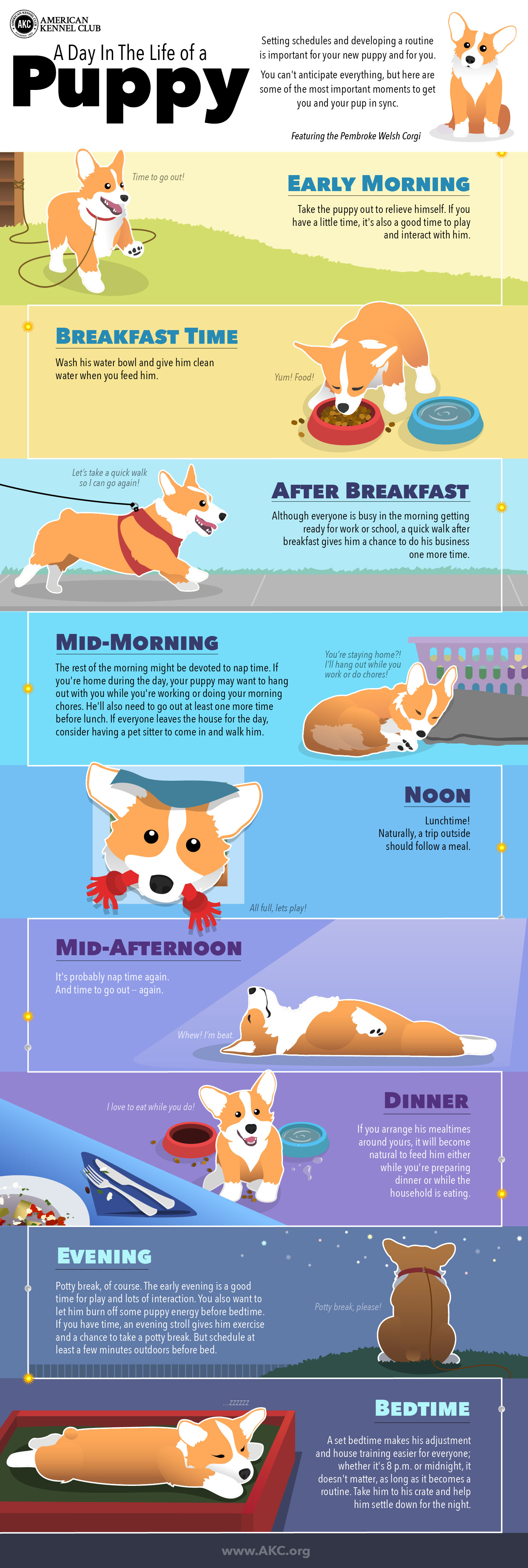
2. Create a Predictable Bedtime Routine
Dogs thrive on routine.
A calm evening routine might include:
- Final toilet break
- Enrichment activity
- Quiet wind-down time
- Same sleep location each night
Consistency helps dogs feel safe and secure.
3. Reduce Visual & Noise Triggers
If barking is alert-driven:
- Close curtains or blinds
- Move beds away from windows
- Add white noise or a fan
Less stimulation = fewer reasons to bark.
4. Offer Comfort & Calming Support
Calming tools can help anxious or alert dogs relax.
These work best alongside routine and enrichment, not on their own.

5. Avoid Reinforcing the Barking
Responding with attention, yelling or letting dogs “patrol” can unintentionally reward the behaviour.
Instead:
- Redirect before barking escalates
- Reward calm behaviour
- Stay neutral and consistent
Recommended Products to Help with Night Barking
(Available from PetCircle)
🧠 Evening Enrichment
- KONG Classic & KONG Extreme – stuff with food and freeze for bedtime
- Snuffle mats – ideal for calming scent work
- Puzzle feeders – reduce excess mental energy
😌 Calming & Anxiety Support
- Adaptil diffusers or collars
- Calming supplements (always check suitability)
- Anxiety wraps for nervous sleepers
🛏️ Sleep Comfort
- Supportive calming dog beds
- Raised or enclosed beds for security
- Indoor crates (but only if you train your dog properly through a positive process that encourages calm and not stress.

When to Seek Professional Help
Speak to a vet or trainer if:
- Barking is sudden or extreme
- It worsens over time
- It’s paired with distress, confusion or aggression
Underlying anxiety or health issues should always be ruled out.
Final Thoughts: Night Barking Is a Signal, Not Defiance
Dogs bark at night because they’re alert, anxious, under-stimulated or unsure — not because they’re being difficult.
With the right mix of routine, enrichment and calm support, most dogs learn to settle and everyone sleeps better.