
Why Do Dogs Sneeze? What’s Normal, What’s Not, and When to Worry
If you’ve ever noticed your dog sneezing during play, after a walk, or seemingly out of nowhere, you’re probably wondering:
“Is this normal… or should I be worried?”
The short answer?
Most dog sneezing is completely harmless — and sometimes even adorable. But in certain cases, it can signal irritation, allergies, or an underlying issue.
Let’s break down why dogs sneeze, what’s normal, and when it’s time to look a little closer.
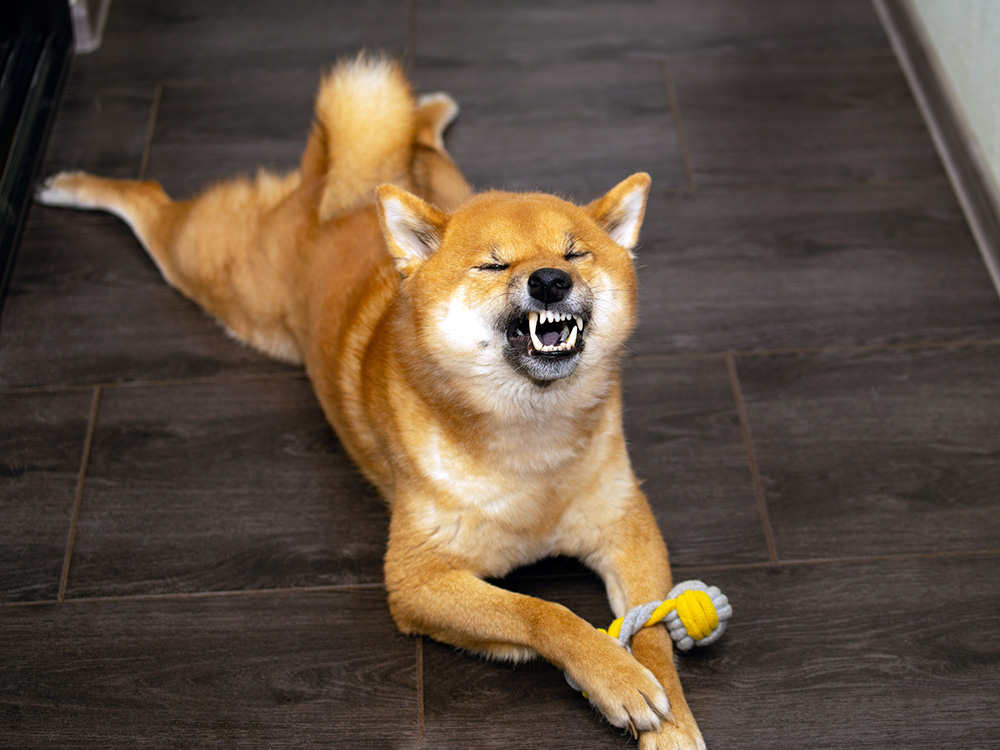
Why Do Dogs Sneeze?
Dogs sneeze for a mix of behavioural, environmental and medical reasons. Context matters.
1. Excitement & Play Sneezing
This is one of the most common — and least concerning — reasons dogs sneeze.
Dogs often sneeze when they’re:
- Playing with other dogs
- Feeling excited or overstimulated
- Trying to signal “this is fun, not serious”
Play sneezing is a form of communication and usually happens alongside relaxed body language and wagging tails.
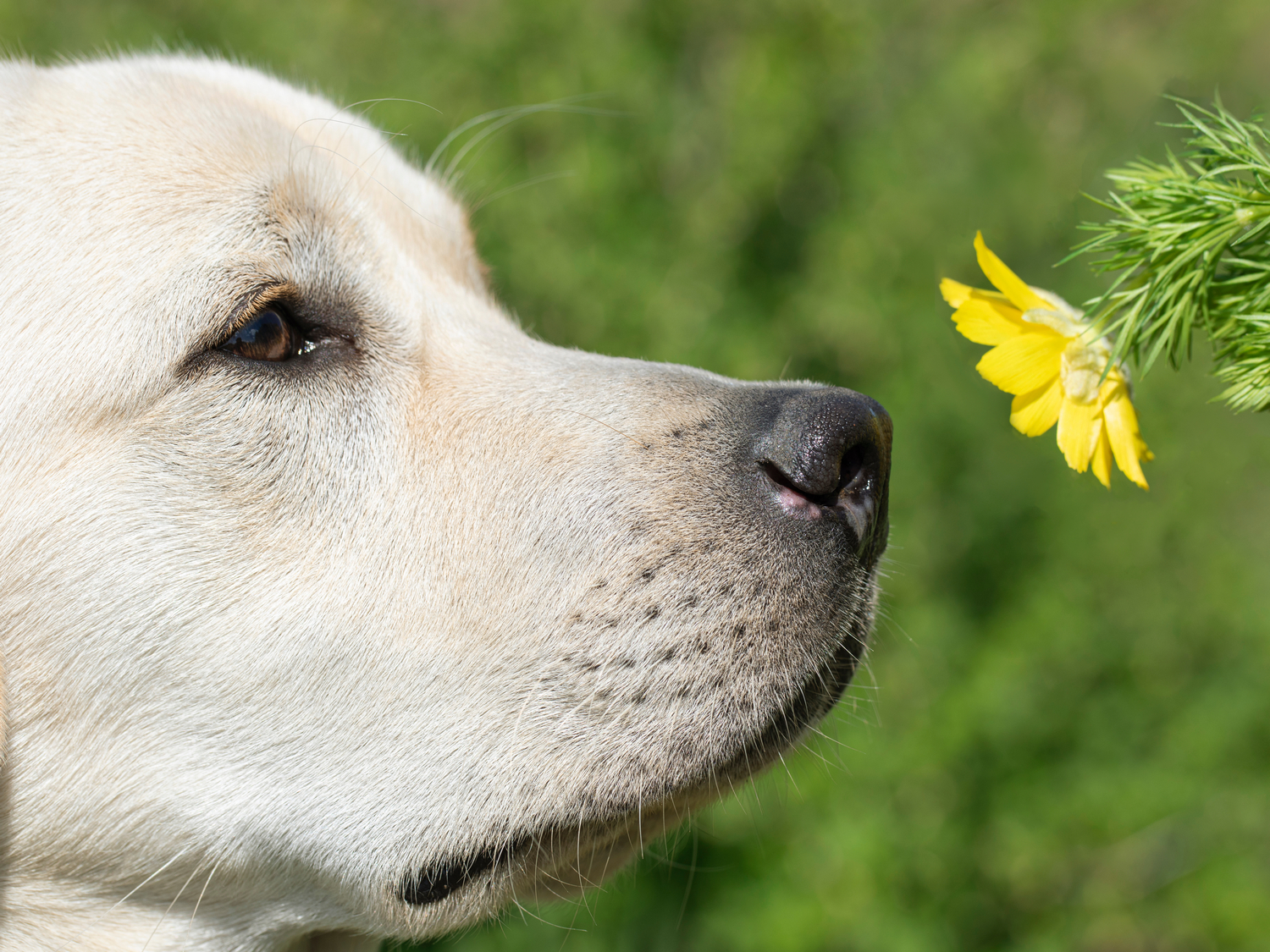
2. Irritants in the Nose
Dogs explore the world nose-first, which makes them prone to irritation.
Sneezing may happen after:
- Sniffing grass or dirt
- Exposure to dust or pollen
- Strong smells like cleaning products or perfumes
A few sneezes that stop quickly are usually just the body clearing irritants.
3. Allergies
Just like humans, dogs can have allergies.
Sneezing caused by allergies is often paired with:
- Itchy skin or paws
- Red or watery eyes
- Licking or chewing
Allergies can be seasonal or year-round depending on the trigger.
4. Reverse Sneezing
Reverse sneezing sounds dramatic — but it’s usually harmless.
It looks like:
- Rapid inhaling through the nose
- Snorting or honking sounds
- Episodes lasting a few seconds
Reverse sneezing is often triggered by excitement, dust, or post-nasal irritation and typically resolves on its own.
5. Dental or Nasal Issues
Less commonly, sneezing can point to:
- Dental infections
- Foreign objects stuck in the nose
- Nasal infections
This type of sneezing is usually persistent and one-sided.
When Is Sneezing a Problem?
Occasional sneezing is normal.
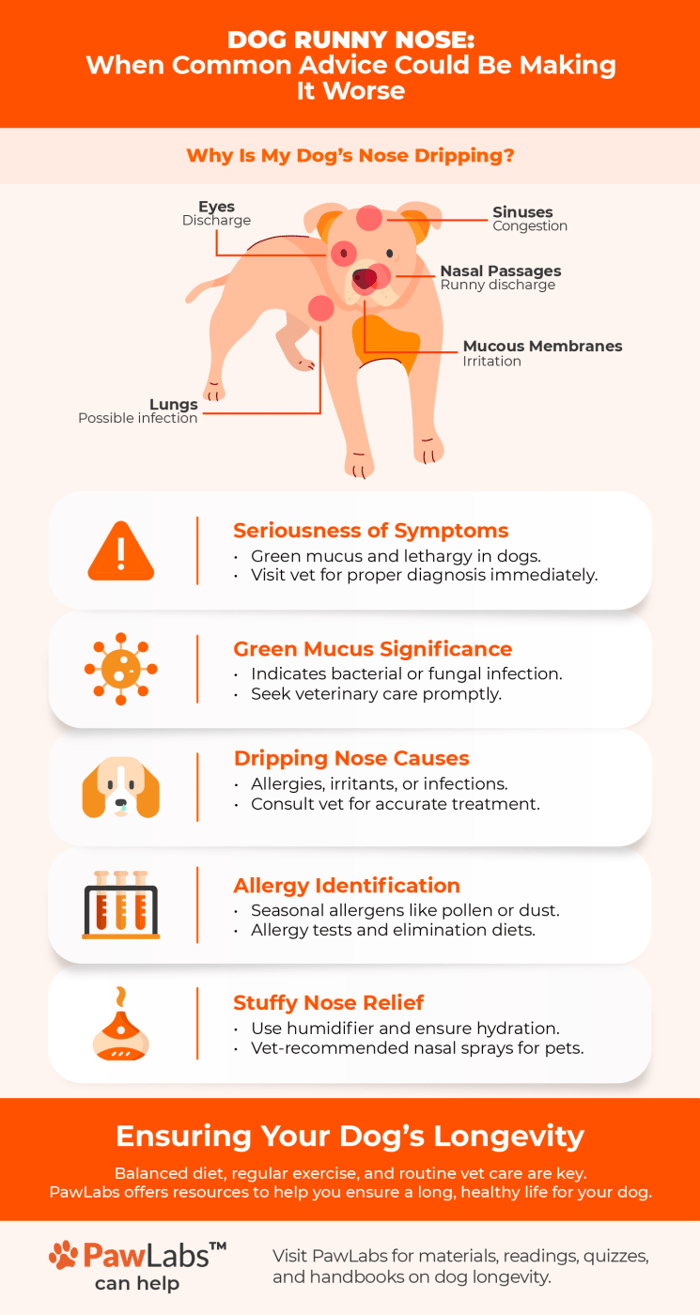
You should pay closer attention if sneezing is:
- Frequent or worsening
- Accompanied by discharge (especially thick, yellow or bloody)
- Only coming from one nostril
- Paired with lethargy, appetite changes or swelling
In these cases, a vet visit is recommended.
How to Help Reduce Sneezing at Home
1. Reduce Environmental Triggers
Small changes can make a big difference:
- Avoid strong cleaning sprays
- Vacuum and wash bedding regularly
- Rinse paws after walks during high pollen seasons
2. Support Skin & Immune Health
Healthy skin and immune systems cope better with allergens and irritation.
Nutrition, supplements and routine care all play a role.
3. Keep Your Dog Calm
Excitement sneezing often settles as dogs relax.
Consistent routines and enrichment help reduce overstimulation.
4. Maintain Dental Health
Good oral care helps prevent infections that can affect the nasal cavity.
Dental chews and routine checks are your friend here.
Recommended Products to Support Dogs Who Sneeze
h(Available from Pet Circle & Naked Munch)
🌿 Allergy & Immune Support
- Omega-3 supplements for skin and immune health
- Hypoallergenic dog foods (for allergy-prone dogs)
- Sensitive skin treats
🧼 Grooming & Hygiene
- Hypoallergenic dog shampoos
- Gentle wipes such as Burts Bees for paws and faces
- Low-dust bedding options such as these great Tuff covers from Snooza
🦷 Dental Health
When to See a Vet
Book a vet appointment if:
- Sneezing persists beyond a few days
- There’s blood or thick discharge
- Your dog seems uncomfortable or unwell
- Sneezing starts suddenly in senior dogs
Early checks can prevent bigger issues later.
Final Thoughts: Sneezing Is Often Normal Communication
In most cases, sneezing is simply your dog reacting to excitement, play or their environment - not something to panic about.
By understanding why your dog sneezes and supporting their health with the right care, you can feel confident knowing when to relax - and when to act.